
Blog
Signs of Mold in House: Warning Signs Homeowners Should Not Ignore

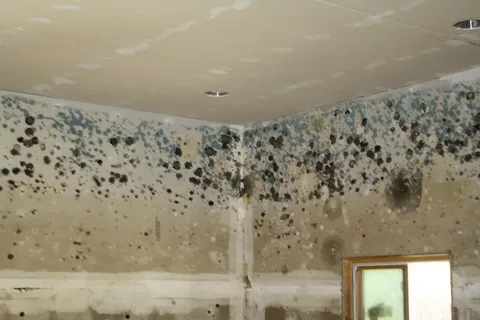
Mold can develop in homes long before it becomes visible. In many cases, moisture issues allow mold to grow behind walls, under flooring, or in other hidden areas. Recognizing the signs of mold in house environments early can help homeowners address potential problems before they become more extensive and costly.
Why Mold Often Goes Undetected
Mold thrives in damp, humid conditions and does not always appear in obvious locations. While some mold growth is easy to spot, hidden mold can spread through building materials without drawing immediate attention.
Because mold often develops where moisture accumulates, homeowners should pay close attention to changes in odors, indoor conditions, and signs of water damage.
Musty or Persistent Odors
One of the most common indicators of mold growth is a persistent musty smell. Mold releases microbial compounds that can create an earthy odor throughout affected areas.
These odors may be stronger in:
- Basements
- Crawl spaces
- Attics
- Bathrooms
- Laundry rooms
- Areas with previous water damage
If a musty smell remains after cleaning, further investigation may be necessary.
Visible Stains and Discoloration
Dark spots, staining, or discoloration on walls, ceilings, and other surfaces may indicate moisture problems and possible mold growth.
Common locations include:
Ceilings
Water intrusion from roof leaks can create staining that supports mold development.
Drywall
Discolored drywall may suggest hidden moisture behind wall surfaces.
Flooring
Warped flooring, staining, or damaged materials can indicate moisture accumulation below the surface.
Visible staining does not always confirm mold, but it often warrants professional evaluation.
Excess Indoor Humidity
High humidity levels create ideal conditions for mold growth. Homeowners may notice:
- Condensation on windows
- Damp surfaces
- Persistent moisture in bathrooms
- Humid basement conditions
When humidity remains elevated for extended periods, mold can begin developing on a variety of surfaces throughout the home.
Water Damage and Past Leaks
Previous water damage significantly increases the likelihood of mold growth. Even after visible water has been removed, moisture can remain trapped within building materials.
Common sources include:
- Plumbing leaks
- Roof leaks
- Appliance failures
- Flooding events
- Foundation water intrusion
If a home has experienced water damage, monitoring for signs of mold in house areas becomes especially important.
Peeling Paint or Damaged Materials
Moisture can cause paint, wallpaper, and drywall to deteriorate over time. Warning signs may include:
- Bubbling paint
- Peeling wallpaper
- Cracked drywall
- Soft building materials
- Warped wood surfaces
These conditions often indicate excessive moisture that may support mold growth.
Increased Moisture Around Windows and Doors
Condensation that repeatedly forms around windows and doors can contribute to mold development. Poor insulation, air leaks, and high indoor humidity often create conditions where moisture accumulates on surfaces.
Over time, mold may begin growing around window frames, trim, and nearby building materials.
Areas Most Vulnerable to Mold Growth
Certain parts of a home are more susceptible to moisture problems and mold development.
Basements
Basements often experience humidity, groundwater intrusion, and poor ventilation.
Bathrooms
Frequent moisture exposure from showers and sinks can encourage mold growth.
Attics
Roof leaks and inadequate ventilation may create conditions favorable to mold.
Crawl Spaces
Limited airflow and moisture accumulation make crawl spaces particularly vulnerable.
Regular inspections of these areas can help identify problems early.
Why Professional Mold Inspections Matter
While homeowners can recognize many warning signs, professional inspections help determine whether mold is actually present and identify contributing moisture issues.
Testing may include:
- Visual inspections
- Moisture assessments
- Air sampling
- Surface sampling
A comprehensive evaluation helps homeowners understand the extent of any issues and determine appropriate next steps.
Conclusion
Recognizing the signs of mold in house environments can help homeowners address moisture problems before they lead to larger concerns. Musty odors, visible staining, water damage, and excessive humidity should never be ignored. Early detection and professional evaluation can help protect your property and support a healthier indoor environment.
Schedule Inspection
If you have noticed potential mold warning signs in your home, contact TradeMasters Home Services to schedule a professional inspection and assessment.
“`