
Blog
Mold After Water Damage: When Should You Schedule an Inspection?

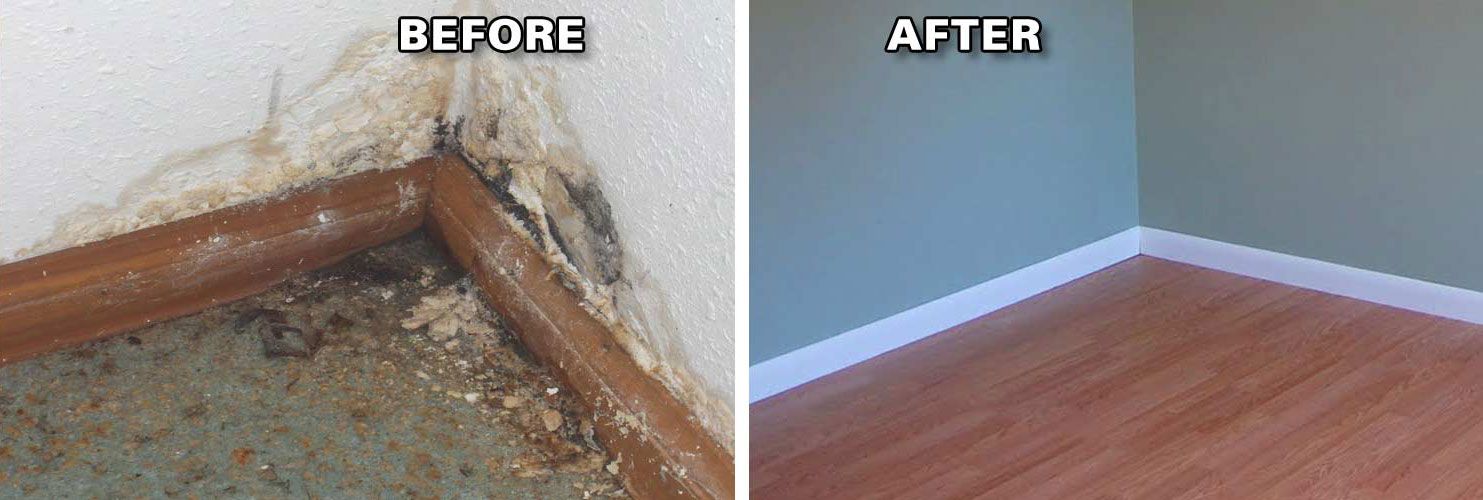
Water damage can affect a home in many ways, even after standing water has been removed. Moisture often remains trapped inside walls, flooring, insulation, and other building materials. Understanding the risks of mold after water damage can help homeowners take timely action and prevent more extensive property issues.
Why Water Damage Creates Ideal Conditions for Mold
Mold requires moisture to grow. When water enters a home through leaks, flooding, burst pipes, or roof damage, affected materials can remain damp for extended periods.
Even if surfaces appear dry, hidden moisture may still be present in:
- Drywall
- Wood framing
- Insulation
- Flooring systems
- Crawl spaces
- Basements
Without proper drying and assessment, mold can begin developing in concealed areas.
How Quickly Can Mold Develop?
One of the most important facts homeowners should know is that mold growth can begin surprisingly fast under favorable conditions.
Factors that influence growth include:
- Amount of moisture present
- Indoor humidity levels
- Temperature
- Ventilation
- Type of building materials affected
The longer moisture remains trapped, the greater the likelihood that mold will develop and spread.
Common Sources of Water Damage
Many different events can create conditions that lead to mold growth.
Plumbing Leaks
Hidden pipe leaks may allow moisture to accumulate behind walls and beneath flooring.
Roof Leaks
Water intrusion from damaged roofing materials can affect ceilings, insulation, and attic spaces.
Flooding
Floodwater can saturate multiple building materials and create widespread moisture issues.
Appliance Failures
Dishwashers, washing machines, water heaters, and refrigerators can leak unexpectedly and cause significant damage.
Regardless of the source, prompt drying and evaluation are critical.
Warning Signs of Mold Growth After Water Damage
Homeowners should monitor affected areas carefully after any water-related event.
Common indicators include:
Musty Odors
Persistent earthy smells may suggest hidden mold activity.
Visible Discoloration
Dark spots or staining on walls, ceilings, or flooring can indicate moisture-related problems.
Peeling Paint or Materials
Moisture may cause paint, drywall, and wallpaper to deteriorate over time.
Ongoing Dampness
Areas that remain damp for extended periods are more likely to support mold growth.
Recognizing these signs early can help prevent more extensive damage.
When Should You Schedule a Mold Inspection?
A professional inspection is often recommended whenever significant water damage has occurred.
Situations that warrant evaluation include:
- Flooding events
- Major plumbing leaks
- Roof leaks
- Water intrusion into walls or ceilings
- Moisture that persists after drying efforts
- Lingering odors following water damage
Testing can help determine whether mold after water damage has developed and identify areas requiring attention.
What Happens During a Mold Assessment?
A professional mold assessment focuses on identifying both mold growth and moisture sources.
The process may include:
Visual Inspection
Inspectors examine affected areas for visible signs of moisture and mold.
Moisture Detection
Specialized equipment helps locate hidden moisture inside building materials.
Air Sampling
Air samples can help evaluate indoor mold spore levels.
Surface Sampling
Testing surfaces may help confirm mold presence and identify affected areas.
The results provide homeowners with a clearer understanding of current conditions.
Why Early Detection Matters
Addressing mold concerns early offers several benefits:
- Helps limit property damage
- Identifies hidden moisture sources
- Supports effective remediation planning
- Reduces the likelihood of widespread contamination
- Protects building materials from further deterioration
Waiting too long to investigate moisture issues can lead to more extensive repairs and remediation costs.
Preventing Future Mold Problems
After water damage occurs, homeowners can reduce future risks by:
- Fixing leaks promptly
- Improving ventilation
- Monitoring humidity levels
- Ensuring thorough drying of affected materials
- Scheduling professional inspections when necessary
Preventive measures play an important role in maintaining a dry and healthy indoor environment.
Conclusion
The risk of mold after water damage should never be overlooked. Moisture trapped within building materials can create ideal conditions for mold growth, even when surfaces appear dry. A professional inspection helps identify hidden issues, locate moisture sources, and determine whether further action is needed to protect your home.
Request Assessment
If your home has experienced flooding, leaks, or other water-related issues, contact TradeMasters Home Services to schedule a professional mold and moisture assessment today.