
Blog
Air Quality Testing for Allergies: Understanding Indoor Environmental Factors

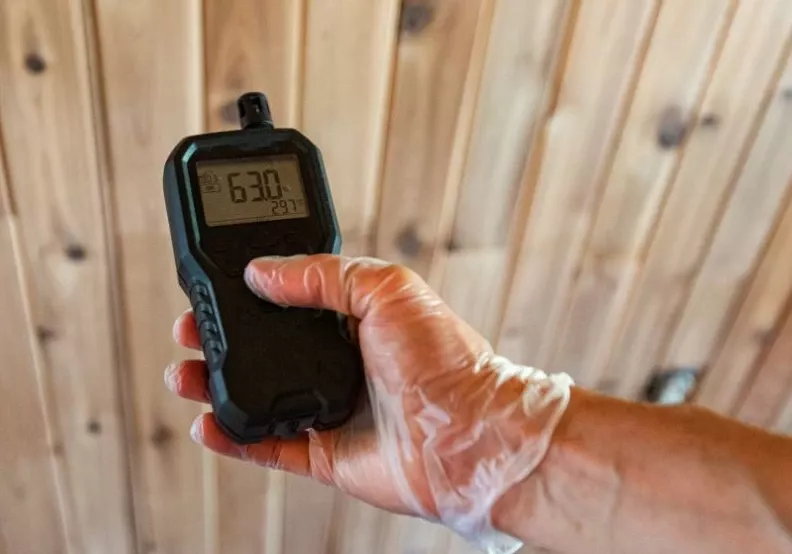
Many homeowners focus on outdoor conditions when thinking about allergy triggers, but indoor environments can also contain particles and pollutants that affect comfort. Professional air quality testing for allergies helps identify environmental factors within a home that may contribute to indoor air concerns and allows homeowners to make informed decisions about improving indoor conditions.
Why Indoor Air Quality Matters
People spend a significant amount of time indoors, making indoor air quality an important part of overall home comfort. Dust, moisture, airborne particles, and ventilation issues can all influence the condition of indoor air.
Because many modern homes are designed for energy efficiency, contaminants may become trapped indoors without adequate ventilation.
Common Indoor Air Triggers
Several environmental factors can affect indoor air quality.
Dust and Particulate Matter
Dust naturally accumulates in homes and may circulate through HVAC systems and living spaces.
Mold Spores
Moisture problems can encourage mold growth, which may release spores into the air.
Pet Dander
Homes with pets often contain microscopic particles that can remain airborne for extended periods.
Poor Ventilation
Insufficient airflow can allow indoor contaminants to build up rather than being removed through proper ventilation.
Professional testing helps identify these factors and evaluate their presence within the home.
Signs That Air Quality Testing May Be Beneficial
Homeowners may want to consider testing when they notice:
- Persistent indoor odors
- Excessive dust accumulation
- Moisture problems
- High humidity levels
- Recent water damage
- Stale or stuffy indoor air
A comprehensive assessment can help determine whether indoor environmental conditions warrant further attention.
What Is Included in Air Quality Testing?
Professional air quality testing for allergies typically involves evaluating multiple aspects of the indoor environment.
Air Sampling
Air samples may be collected to assess airborne particles and contaminants.
Humidity Measurements
Inspectors evaluate humidity levels to identify moisture-related concerns.
Ventilation Assessment
Airflow throughout the home is reviewed to determine whether ventilation systems are operating effectively.
Moisture Investigation
Hidden moisture sources are often examined because they can contribute to indoor environmental problems.
The findings provide homeowners with a clearer understanding of indoor conditions.
The Role of Humidity in Indoor Air Quality
Humidity levels can have a significant impact on indoor environments.
When humidity is too high, it may:
- Encourage mold growth
- Increase condensation
- Contribute to musty odors
- Affect building materials
Maintaining balanced humidity levels is often an important step in improving indoor conditions.
How Testing Helps Homeowners
Testing provides valuable information that can guide future improvements.
Benefits may include:
- Identifying hidden moisture issues
- Evaluating ventilation performance
- Detecting airborne contaminants
- Supporting informed maintenance decisions
- Improving overall indoor comfort
A professional assessment can also help prioritize upgrades that may enhance indoor air quality.
Improving Indoor Air Conditions
After testing is completed, recommendations may include:
Moisture Control
Addressing leaks and excess humidity can help reduce environmental concerns.
Ventilation Improvements
Improved airflow may help remove indoor contaminants and maintain fresher indoor air.
HVAC Maintenance
Regular system maintenance can support cleaner and more efficient air circulation.
Air Sealing and Insulation Upgrades
Proper building performance improvements may help create a more controlled indoor environment.
Each recommendation depends on the specific findings of the assessment.
Who Should Consider Testing?
Professional testing may be beneficial for homeowners who:
- Have experienced water damage
- Notice ongoing moisture issues
- Recently purchased a home
- Want to improve indoor comfort
- Are planning energy-efficiency upgrades
- Have concerns about indoor air conditions
Testing provides a useful starting point for understanding environmental conditions inside the home.
Conclusion
Professional air quality testing for allergies helps homeowners evaluate indoor environmental factors that may influence air quality and comfort. By identifying moisture issues, airborne contaminants, and ventilation concerns, testing provides valuable information that supports a cleaner and healthier indoor environment.
Book IAQ Test
If you want a better understanding of your home’s indoor air conditions, contact TradeMasters Home Services to schedule a professional indoor air quality assessment today.