Blog
Home Air Leakage Test New York: Finding Hidden Energy Loss in Your Home

Many homeowners are surprised to learn how much conditioned air can escape through small gaps and openings throughout their homes. Even houses that appear well maintained may have hidden air leaks that affect comfort, energy efficiency, and indoor air quality. A professional home air leakage test New York service helps identify these problem areas and provides valuable insight into overall home performance.
What Is Air Leakage?
Air leakage occurs when air moves in and out of a home through unintended openings in the building envelope. These leaks can be found in walls, ceilings, floors, windows, doors, and other areas where building materials meet.
During winter, warm indoor air can escape through these openings while cold outdoor air enters. During summer, the opposite can occur, forcing cooling systems to work harder to maintain comfortable indoor temperatures.
Because many leaks are difficult to detect without specialized equipment, homeowners often remain unaware of how much energy is being lost.
Why Air Leakage Matters
Even small openings can have a significant impact on a home’s overall performance.
Excessive air leakage may contribute to:
- Higher energy bills
- Drafty rooms
- Uneven temperatures
- Increased HVAC system usage
- Reduced indoor comfort
- Difficulty controlling humidity levels
Identifying and addressing these issues can help improve both comfort and efficiency throughout the home.
Common Areas Where Air Leaks Occur
Air leakage can develop in many locations throughout a property.
Attic Openings
Attics are one of the most common sources of energy loss. Air often escapes through gaps around wiring, plumbing penetrations, recessed lighting, and attic access doors.
Windows and Doors
Over time, seals around windows and doors may deteriorate, allowing unwanted airflow.
Basement Rim Joists
The connection between the foundation and framing often contains small openings that permit air movement.
Plumbing and Electrical Penetrations
Openings created for pipes, wiring, and utility connections can become significant leakage pathways.
Ductwork Connections
Leaky duct systems may allow conditioned air to escape before it reaches living spaces.
A professional evaluation helps identify which areas are contributing most to energy loss.
What Happens During an Air Leakage Test?
A professional home air leakage test New York assessment typically uses specialized diagnostic equipment to measure how much air is entering and leaving the home.
Visual Inspection
The process often begins with a comprehensive inspection of the home’s exterior and interior.
Blower Door Testing
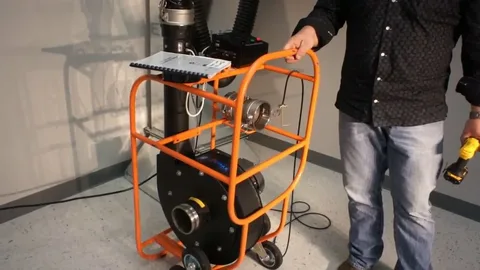
A blower door system is commonly used to measure air leakage rates. This equipment temporarily changes indoor pressure levels, making leaks easier to locate.
Leak Detection
Inspectors identify areas where air movement is occurring and document locations that may benefit from improvement.
Performance Evaluation
The results help homeowners understand how their home compares to recommended efficiency standards.
The information gathered during testing can be used to develop a targeted improvement plan.
Benefits of Air Leakage Testing
Testing provides homeowners with valuable information about the performance of their property.
Improved Comfort
Identifying leakage points can help eliminate drafts and improve temperature consistency.
Better Energy Efficiency
Reducing air loss often helps lower heating and cooling demands.
Enhanced Indoor Air Quality
Sealing unwanted openings may help reduce the entry of dust, pollen, and outdoor pollutants.
Improved Moisture Control
Air leaks can contribute to condensation and humidity issues. Addressing them may help create a more controlled indoor environment.
More Effective Insulation Upgrades
Testing helps ensure insulation improvements are paired with proper air sealing measures.
These benefits often contribute to a more comfortable and efficient home.
Signs You May Need an Air Leakage Test
Several indicators suggest that a professional evaluation may be beneficial.
Common warning signs include:
- Drafts near windows or doors
- Uneven room temperatures
- Rising utility costs
- Excessive dust accumulation
- Difficulty maintaining indoor comfort
- Older insulation systems
- Rooms that feel uncomfortable during extreme weather
If these conditions are present, testing can help identify the underlying causes.
Air Sealing After Testing
Once leakage areas have been identified, homeowners can take steps to improve building performance.
Potential improvements may include:
- Sealing gaps and cracks
- Improving attic air barriers
- Upgrading weatherstripping
- Addressing duct leakage
- Adding insulation where needed
Because every home is different, recommendations are typically based on the specific findings of the assessment.
Why Professional Testing Is Important
While homeowners may notice obvious drafts, many air leaks remain hidden behind walls, ceilings, and building components. Professional testing provides accurate measurements and identifies issues that may otherwise go unnoticed.
A comprehensive evaluation allows homeowners to prioritize improvements that can deliver meaningful comfort and efficiency benefits.
Conclusion
A professional home air leakage test New York service helps homeowners uncover hidden sources of energy loss and improve overall building performance. By identifying air leaks and recommending targeted solutions, testing provides a clear path toward greater comfort, improved efficiency, and a healthier indoor environment.
Book Test
If you’re experiencing drafts, uneven temperatures, or rising energy costs, contact TradeMasters Home Services to schedule a professional air leakage test and home performance assessment today.