
Blog
Basement Humidity Control New York: Keeping Your Basement Dry and Comfortable

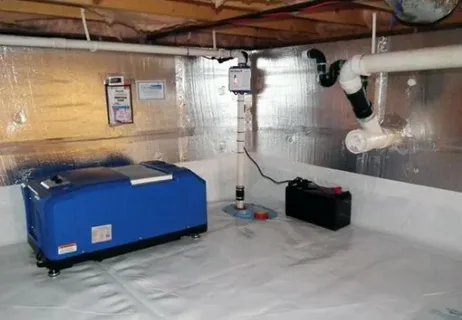
Basements are naturally prone to moisture because they are located below ground level and often experience limited airflow. When humidity levels rise, homeowners may notice damp conditions, musty odors, condensation, and other moisture-related concerns. Professional basement humidity control New York services help identify contributing factors and provide solutions that improve indoor comfort and protect the home.
Why Basement Humidity Is a Common Problem
Humidity develops when excess moisture accumulates in the air. Basements often experience higher humidity levels due to their location and exposure to surrounding soil moisture.
Common causes include:
- Groundwater intrusion
- Poor ventilation
- Foundation moisture
- Plumbing leaks
- Condensation
- Seasonal weather changes
Without proper management, humidity can affect both the basement and other areas of the home.
Signs of Excess Basement Humidity
Homeowners should be aware of warning signs that indicate elevated moisture levels.
Musty Odors
Persistent damp smells often suggest excess humidity and moisture buildup.
Condensation on Surfaces
Water droplets forming on windows, pipes, or walls can indicate humidity problems.
Damp Materials
Carpet, drywall, insulation, and stored belongings may absorb excess moisture over time.
Visible Mold Growth
High humidity can create conditions that support mold development in susceptible areas.
Recognizing these signs early can help prevent more significant issues.
How High Humidity Affects Your Home
Excess moisture can have a wide range of effects on building materials and indoor conditions.
Potential consequences include:
- Increased risk of mold growth
- Damage to wood framing
- Deterioration of drywall
- Musty indoor odors
- Reduced comfort levels
- Additional strain on HVAC systems
Managing humidity effectively helps protect both the home and its occupants.
Professional Humidity Assessments
Professional basement humidity control New York services begin with a thorough inspection of the basement and surrounding conditions.
Moisture Evaluation
Specialized tools measure moisture levels in walls, floors, and building materials.
Humidity Testing
Indoor humidity levels are assessed to determine whether corrective action is needed.
Ventilation Analysis
Inspectors evaluate airflow conditions that may contribute to moisture accumulation.
Water Intrusion Inspection
Potential sources of water entry are identified to address the root cause of humidity issues.
A complete assessment helps guide the most effective solution.
Effective Basement Humidity Control Strategies
Several methods can help reduce basement moisture levels and improve overall conditions.
Improve Ventilation
Proper airflow helps remove excess moisture and reduce humidity buildup.
Address Water Intrusion
Repairing leaks and preventing water entry is critical for long-term humidity control.
Use Dehumidification
Dehumidifiers can help maintain more balanced indoor moisture levels.
Seal Air Leaks
Reducing unwanted air infiltration may help stabilize indoor conditions and improve efficiency.
The most effective approach depends on the specific conditions within the home.
Preventing Future Humidity Problems
Homeowners can reduce the likelihood of recurring issues by taking proactive measures.
Recommended practices include:
- Monitoring humidity levels regularly
- Repairing plumbing leaks promptly
- Maintaining gutters and downspouts
- Improving drainage around the foundation
- Scheduling periodic moisture inspections
Consistent maintenance can help prevent moisture problems before they become more serious.
Why Professional Evaluation Matters
Humidity issues are often symptoms of larger moisture-related concerns. A professional inspection helps identify the underlying cause rather than simply treating the visible effects.
Benefits of a professional assessment include:
- Accurate moisture detection
- Identification of hidden problem areas
- Recommendations tailored to the home
- Long-term moisture management strategies
Understanding the source of humidity is key to achieving lasting results.
When Should You Schedule an Assessment?
Homeowners should consider an evaluation if they notice:
- Persistent basement dampness
- Condensation on windows or pipes
- Musty odors
- Mold growth
- High indoor humidity readings
- Signs of water intrusion
Early intervention can help reduce repair costs and improve overall home performance.
Conclusion
Professional basement humidity control New York services help homeowners address moisture concerns before they lead to larger problems. By identifying humidity sources, improving ventilation, and managing moisture effectively, homeowners can create a drier, more comfortable basement environment.
Schedule Assessment
If your basement feels damp or humid, contact TradeMasters Home Services to schedule a professional moisture and humidity assessment today.