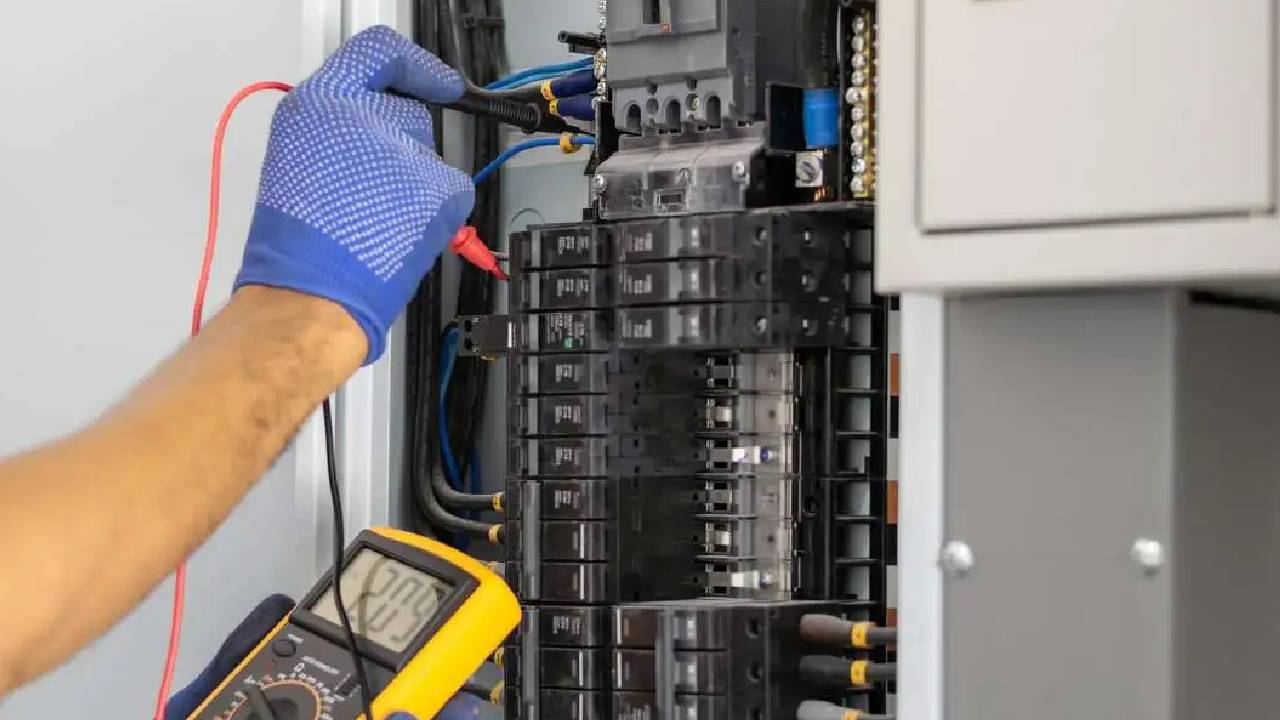
One important thing homeowners should understand—something your utility company and even your electrician may not always explain—is what really happens when you upgrade your electrical service from 100 amps to 200 amps.
At first glance, increasing your service capacity sounds like a smart move, especially as more homes shift toward electrification. With the addition of mini-split heat pumps, heat pump water heaters, EV chargers, and other electric systems, many homeowners are being told their current capacity is no longer adequate.
And in some cases, a load calculation will support that claim.
But here’s the part that often gets overlooked:
Upgrading your electrical capacity can potentially increase your long-term costs—even if your actual energy usage doesn’t change.
Why? Because Capacity ≠ Usage
When your service is upgraded, the utility is now responsible for being able to deliver that higher level of power to your home at any time—even if you never actually use it.
That means:
The utility may need to upgrade transformers, lines, or other infrastructure
These upgrades can be costly
And in many cases, those costs can be passed on to you, either directly or through rate structures
In short, you’re paying for potential demand, not just actual consumption.
The Bigger Picture: Electrification
As we move away from fossil fuels, homes are becoming more dependent on electricity. That’s a good thing—but it also creates new challenges.
Many systems don’t actually need to run at the same time.
For example:
Your EV charger and water heater don’t both need full power simultaneously
Heating and cooling loads can be managed dynamically
Peak demand can be reduced without sacrificing comfort
A Smarter Alternative: Load Management
Instead of increasing your service size, a more cost-effective solution is often managing your existing capacity more intelligently.
There are simple and affordable solutions available today:
Load-shedding switches that prioritize circuits
Smart relays that automatically shut off non-essential loads
Advanced smart panels (like Span) that manage everything in real time
These systems allow your home to:
Stay within a 100-amp service
Avoid unnecessary infrastructure upgrades
Reduce strain on the electrical grid
For example, when your water heater turns on, your EV charger can automatically pause—freeing up capacity without you even noticing.
The Industry Impact
If more homes adopted smart load management instead of simply increasing service size:
Overall demand on the grid would decrease
Utilities would need fewer infrastructure upgrades
Costs could stabilize—or even go down
Utilities typically operate with regulated profit margins (often around 10%), which means reducing infrastructure spending can directly benefit consumers.
The Bottom Line
Upgrading to 200-amp service isn’t always the best—or most economical—solution.
Before making the jump, consider:
Do you really need more capacity, or just better management?
Could smart controls solve the problem at a fraction of the cost?
Are you paying for power you’ll never actually use?
In many cases, working smarter with your existing electrical system is better than simply making it bigger.