
Blog
The Air Inside Your Home Might Be More Polluted Than You Think

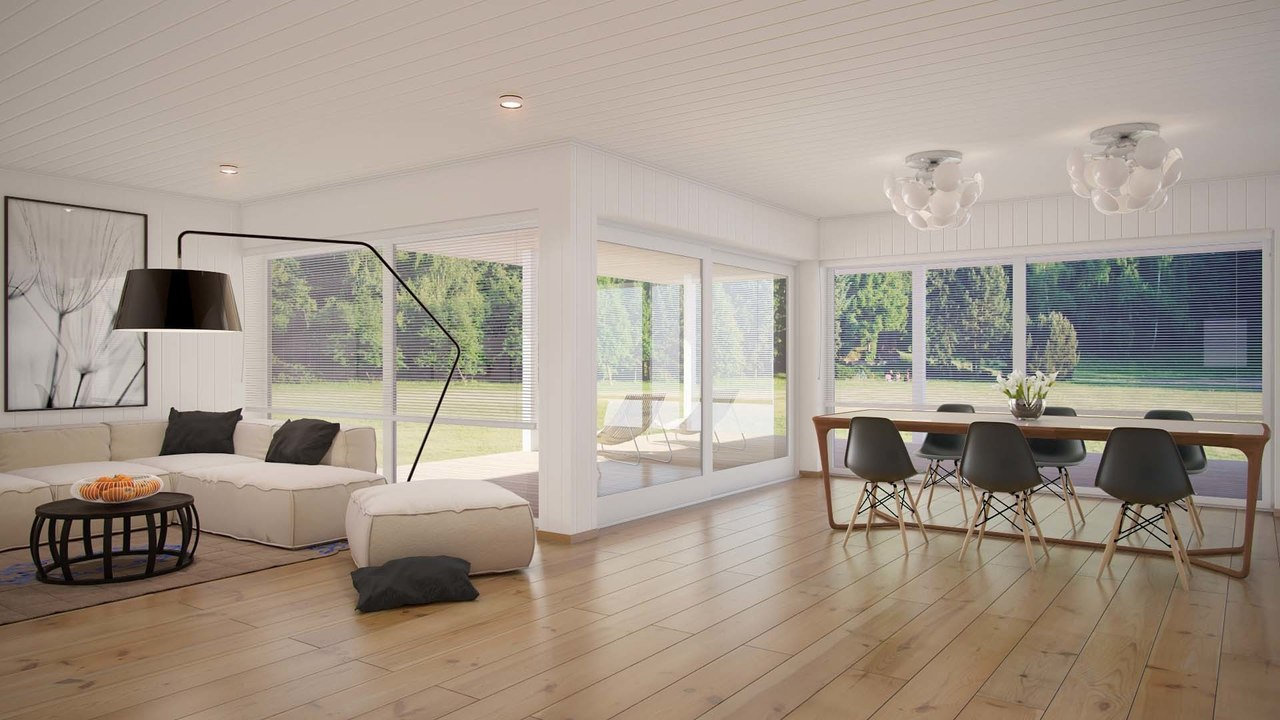
Most people think of air pollution as something that exists outside—smog over cities, emissions from cars, or industrial smoke stacks. But what would surprise many homeowners is this: the air inside your home can be significantly more polluted than the air outside.
Research from projects like HomeChem (House Observations of Microbial and Environmental Chemistry) has revealed something eye-opening—our homes are active chemical environments. They’re not just places we live; they’re places where chemistry is constantly happening.
Your Home Is a Chemical Ecosystem
Everyday items in your home release chemicals into the air:
- Furniture and upholstery
- Flooring and carpets
- Cleaning products
- Personal care items
- Electronics
Many of these materials emit volatile organic compounds (VOCs) and other pollutants. Some are harmless in small amounts—but others can be toxic, especially with long-term exposure.
Now layer in normal human activity:
- Cooking
- Bathing
- Cleaning
- Breathing
Even something as natural as shedding skin contributes—humans shed over a pound of skin cells per year. These particles become part of household dust, interacting with chemicals already present in the air.
You Breathe More Than You Think
The average person:
- Inhales ~2,000 pounds of air every day
- Consumes only about 3 pounds of food daily
That means what you breathe has a far greater impact on your health than what you eat—yet most people focus far more on diet than air quality.
And there’s more:
- Each person exhales ~37 million microbes per hour into their home
- Many of these microbes are harmless—or even beneficial
- But some can contribute to poor indoor air quality and health issues
The Problem With “Tighter” Homes
Modern building codes are pushing homes to be more energy efficient—which often means tighter construction.
While this reduces energy loss, it also means:
- Less natural air exchange
- More trapped pollutants
- Higher concentration of indoor contaminants
We are essentially creating sealed environments filled with chemicals and biological particles that we were never evolutionarily designed to live in continuously.
Humidity: The Hidden Multiplier
Humidity plays a major role in indoor chemistry.
- Higher humidity levels can increase chemical reactions indoors
- Elevated moisture can lead to higher VOC concentrations
- It also promotes biological growth (like mold and bacteria)
In other words, humidity doesn’t just make you uncomfortable—it can actively make your air more chemically reactive and potentially more harmful.
The Health Impact Is Real
We’re seeing a steady rise in respiratory conditions such as:
- Asthma
- Allergies
- Chronic respiratory irritation
While many factors contribute, indoor air quality is a major and often overlooked piece of the puzzle.
Considering we spend nearly 85% of our lives indoors, the environment inside our homes matters more than ever.
What Can We Do?
Awareness is the first step—but action is what improves health.
1. Monitor Your Indoor Air
You can’t fix what you don’t measure. Tracking things like:
- VOC levels
- Humidity
- Particulate matter
- CO₂
…gives you real insight into your environment.
2. Improve Ventilation
Not all ventilation is equal. Homes today need intentional, designed ventilation systems, not just random air leaks.
3. Control Humidity
Maintaining proper humidity (typically 30–50%) helps reduce:
- Chemical reactions
- Mold growth
- Airborne irritants
4. Be Mindful of Materials
Choose low-emission products whenever possible:
- Low-VOC paints and finishes
- Safer cleaning products
- Better building materials
The Bottom Line
Your home isn’t just a shelter—it’s a living chemical environment.
Chemistry is always happening inside it.
The question is:
Are those reactions helping your health—or hurting it?
By understanding what’s in your air and taking steps to control it, you can create a home that isn’t just energy-efficient—but truly healthy, comfortable, and safe to live in.